What to Wear for a Marathon
MarathonGuide Staff
Feb 17, 2026
COPY LINK
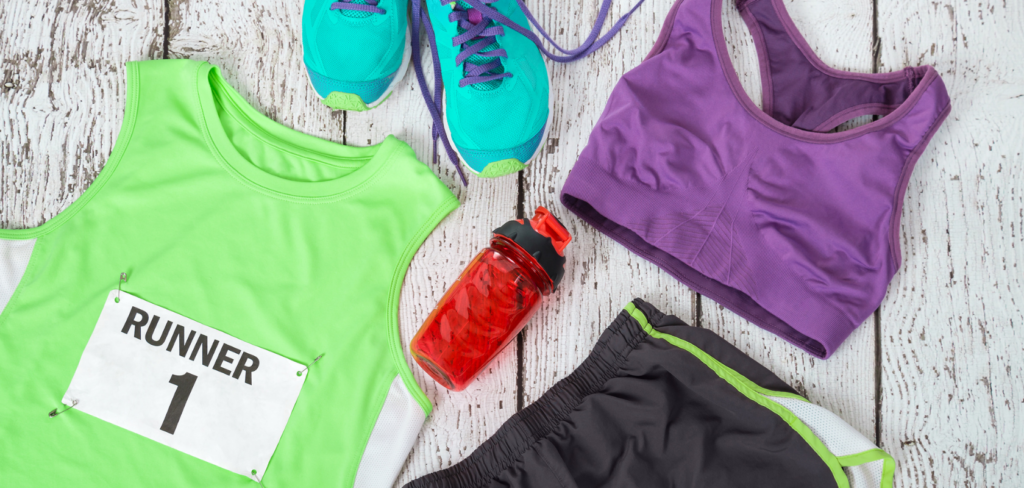
If there’s one thing I’ve learned after running marathon after marathon – through perfect spring mornings, windy fall disasters, surprise downpours, and brutal heat – it’s this: your clothing matters more than you think. Not because it makes you faster, but because it can quietly make you miserable… and misery adds minutes.
People obsess over shoes (and yes, shoes are crucial), but the truth is a marathon can be ruined just as easily by the wrong socks, a shirt that chafes, or shorts that feel fine at mile 5 and turn into sandpaper by mile 18. A great marathon outfit should feel invisible. You should barely notice it’s there.
And that’s exactly what we’re aiming for.
The most important rule: nothing new on race day
Every experienced runner has a story about the “new” thing they tried in a marathon. A new shirt. A new sports bra. A new pair of socks. Sometimes it works. But most of the time it ends with bleeding, blisters, or an outfit change in a porta-potty.
Your marathon is not the day to experiment. If you haven’t worn it on at least one long run – preferably 12–20 miles – it doesn’t belong on the start line.
Shoes: choose comfort, not hype
Let’s start with the obvious. Your marathon shoes should be the pair you trust, the pair you’ve already sweated in, the pair you’ve run long miles in and never thought about again. That’s what you want—shoes that don’t demand attention.
A marathon is long enough for your feet to swell, so the fit needs to be slightly forgiving. If your toes already feel close to the front of the shoe in training, race day will punish you. You want a little extra room, because by mile 20 your feet will feel like they’ve grown.
Carbon-plated shoes can absolutely help, but they aren’t magic. They change how your legs load impact, and if you don’t train in them, your calves or Achilles might complain at the worst possible moment. If you plan to race in super shoes, make sure you’ve done several long runs in them first, not just a quick 5K test.
Socks: the quiet hero of your marathon
Socks might be the most underrated part of marathon gear. A great sock prevents blisters, keeps your feet stable, and manages moisture. A bad sock can ruin your entire day no matter how fit you are.
Cotton is a guaranteed mistake – it holds sweat and turns into a damp friction machine. Instead, you want proper technical running socks that stay snug, don’t slide, and don’t have bulky seams. If you’re prone to blisters, this is also where a little pre-race anti-friction balm can work wonders. Think of it as insurance.
Shorts and tights: your anti-chafing strategy
Most runners don’t think about chafing until it happens. Then they never forget.
Your shorts or tights need to stay in place and stay comfortable for hours, not minutes. In my experience, half tights are one of the best marathon options because they reduce thigh friction and keep everything stable when fatigue sets in. Shorts can work perfectly too, but they must not ride up. If they shift around during your long runs, they’ll shift even more after three hours of sweat and motion.
The marathon isn’t the day for loose, flappy fabric. Movement creates rubbing. Rubbing creates pain. Pain creates pacing problems.
Your top: dress for performance, not style
When choosing your shirt or singlet, think lightweight, breathable, and tested. Seam placement matters more than people realize. A shirt that feels comfortable standing still can start cutting into your armpits once it’s soaked with sweat.
In warmer weather, a singlet is often the best choice because it ventilates better and reduces fabric buildup. In cooler conditions, a fitted long-sleeve technical shirt can be perfect, but it still needs to be something you’ve worn for long distances before.
And just like with socks: cotton is not an option. It absorbs sweat, gets heavy, and becomes cold and abrasive. Over 26.2 miles, it’s basically self-sabotage.
Sports bras and underwear: comfort is everything
For women, the sports bra is one of the most important pieces of marathon gear. It needs to provide support without digging, and it needs to handle sweat without causing friction. A bra that feels “fine” for an hour can become unbearable after three.
As for underwear, many runners skip it entirely and rely on built-in liners or compression-style shorts. That’s often the safest option because extra seams and extra fabric increase the chance of chafing. If you do wear underwear, it needs to be seamless, technical, and proven in training.
Weather strategy: dress for mile 10, not mile 1
One of the most common rookie mistakes is dressing too warm because the start line feels cold. But once you’ve been running for ten minutes, your body temperature climbs quickly.
A simple guideline I’ve used for years is this: dress as if it’s about 10 degrees warmer than it actually is. If it’s chilly standing around, that’s normal. If you feel cozy and comfortable before the gun goes off, you’ll likely be overheating by mile 5.
That’s why arm sleeves are such a smart marathon option. They let you start warm, then roll them down or remove them when the sun comes up or the pace heats you up. Gloves can work the same way—cheap, light gloves are perfect because you can toss them if needed.
Accessories: small details, big difference
A hat or visor is a simple upgrade that helps more than people expect. It keeps sun out of your eyes, blocks rain, and helps manage sweat. Sunglasses are also worth considering—not just for style, but because squinting for hours drains energy and focus.
If it’s windy, a light wind-resistant layer can make a massive difference, but it has to be breathable. Heavy jackets are usually a trap. They feel great for five minutes and then become an oven.
In rainy conditions, the main enemy isn’t the water—it’s the friction. Wet clothing rubs harder, and salt from sweat makes it worse. That’s when anti-chafe balm becomes essential, especially around the thighs, underarms, sports bra line, and anywhere fabric moves repeatedly.
Fuel storage: don’t rely on luck
Even if your outfit is perfect, you still need to think practically. Where are your gels going? How are you carrying salt tabs? What if you need an emergency item like tissues or a bandage?
Some runners use belts, some rely on pockets, and some carry handheld bottles. There’s no universal best choice, but whatever you use needs to be comfortable and tested. If you have to fight with your pockets every time you take a gel, you’ll start skipping fuel, and the marathon wall loves runners who skip fuel.
The real secret weapon: anti-chafing protection
This is the part of marathon preparation that separates beginners from veterans. You can have the best shoes and the perfect pacing plan, but if you ignore chafing, you’re gambling.
Before the race, apply anti-friction balm anywhere you know could rub. Inner thighs are the classic danger zone, but underarms, bra lines, lower back, and toes are common too. For men, nipple protection is also critical, either balm or tape. It might sound dramatic, but after three hours of repetitive motion, small friction becomes a big problem.
What you should avoid at all costs
If I could ban a few items from marathons, the list would be short but powerful: brand-new shoes, thick cotton socks, rough seams, loose fabric that flaps in the wind, and anything you haven’t worn on a long run. These are the most common reasons runners suffer unnecessarily.
A marathon is not about proving toughness through discomfort. It’s about staying smooth, efficient, and calm for as long as possible.
Final coach advice: your outfit should disappear
The perfect marathon outfit is boring. It’s not the coolest-looking kit. It’s not the newest gear. It’s the setup that makes you forget you’re wearing anything at all.
If you’re constantly adjusting your waistband, pulling down your shirt, or thinking about your feet, you’re losing focus and wasting energy. But if your gear is right, you get to spend your mental energy where it belongs, on pacing, fueling, staying relaxed, and enjoying the race.
Because at the end of the day, the marathon is already a challenge. Your clothing shouldn’t be part of the fight.
COPY LINK
You are free to use this material for non-commercial purposes. This means you can read it, share it with others, and use it in your own personal projects. For more information on the rules for using this material, please read the following documents:
Creative Commons LicenseAll rights reserved. Copyright © 2026 Marathon Guide